No intended direct or indirect spoilers; I only talk about the opening segment. (VERY LIGHT SPOILER WARNING).
I wanted to put down some thoughts and document the launch of The Legend of Zelda: Ocarina of Time (Switch 2) with a semi-review of the opening parts of Zelda up until Castle Town.
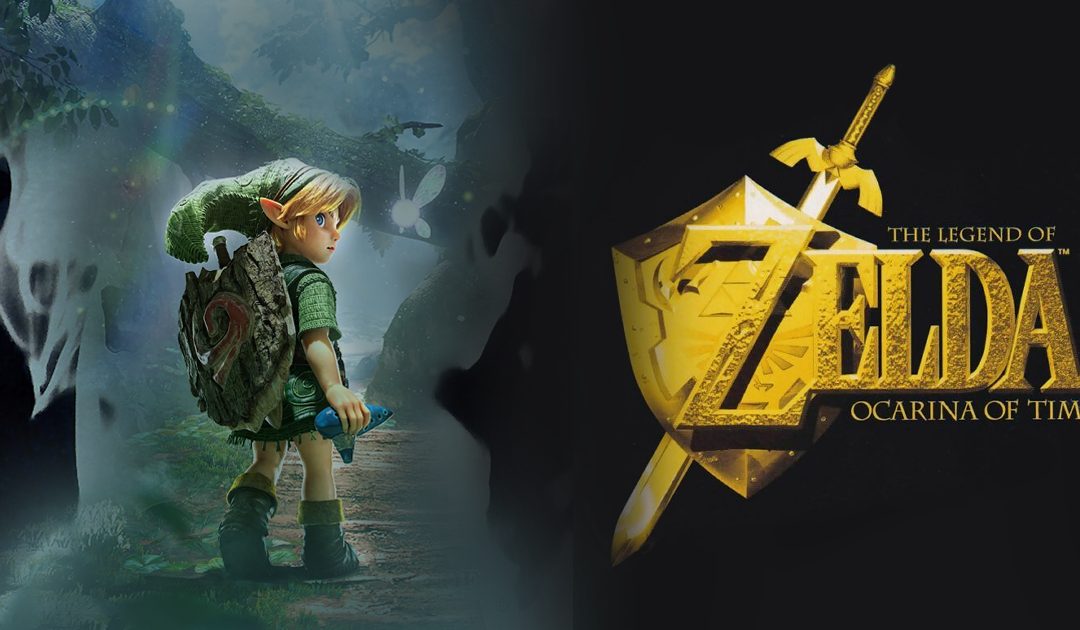
Ocarina is one of my all-time favourite games and one that had a huge influence on me, as it did many others around the world. The 3DS version seemed like a dream back in 2011, a portable version of Ocarina of Time! This was something I’d always hoped for after discovering Link’s Awakening for the Game Boy. So you can bet I was fairly pleased to learn Ocarina of Time was going to get the full remake treatment on the Switch 2, however…
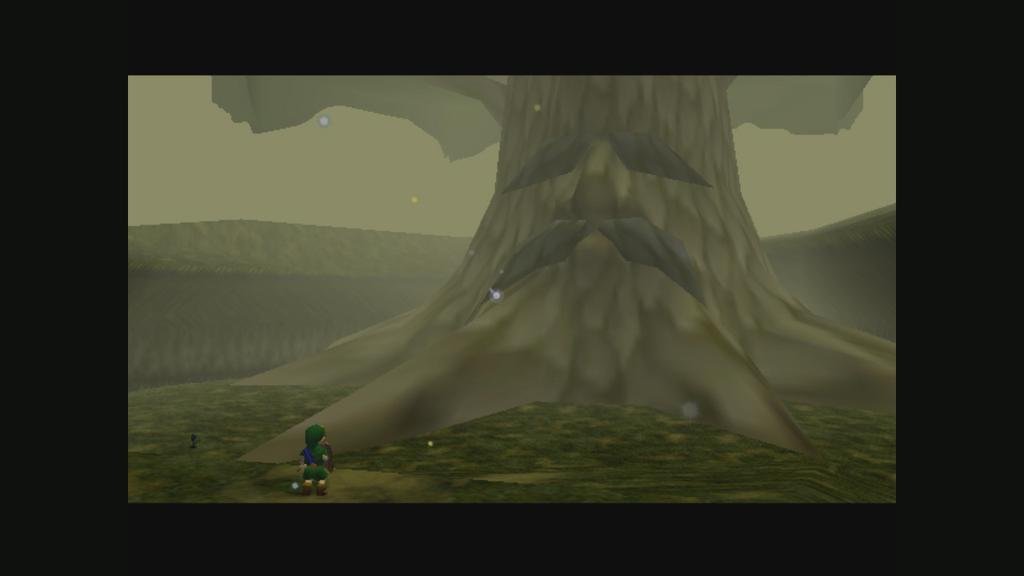
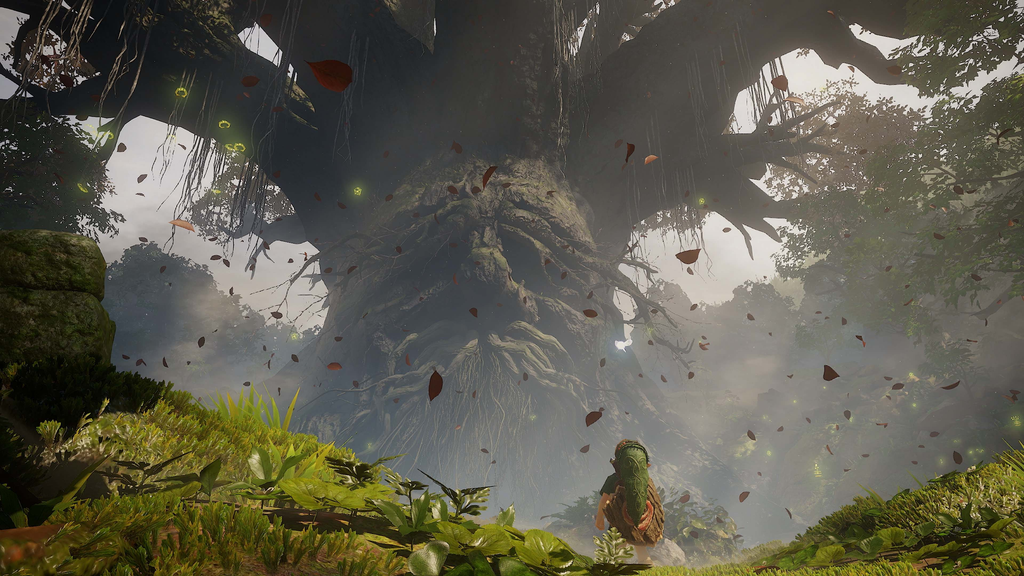
As a long-time Ocarina of Time player, I had trepidations of being overly familiar with the game, to the point that there wouldn’t be any surprises. From this opening segment, I can say with a degree of confidence that this isn’t really the case. While the great Deku Tree Dungeon remains largely the same in its technical layout, its presentation is completely fresh, and for me, at least, the small changes were enough to make it feel new again.
This extends to the Kokiri Forest Castle town and Kakariko Village. These locations are still recognisable; the new graphics and slight rearrangement of environments, for me, make these feel like new locations. It’s like arriving somewhere new at night, exploring, then returning the next day, and it feeling like a different place.
Or describing places like Kokiri Forest from memory to someone who’s never played the game, then asking them to draw a map of it. The outcome would probably be slightly askew from what it actually is.
Or how it must be from a cat’s perspective when you rearrange furniture.
Hopefully this explains how the opening moments of the game felt to someone very familiar with the original. For other returning Zelda veterans, I’d also recommend taking things s-l-o-w-l-y. Take time to explore, do side quests and talk to every NPC.
Smile, you’re on free Camera
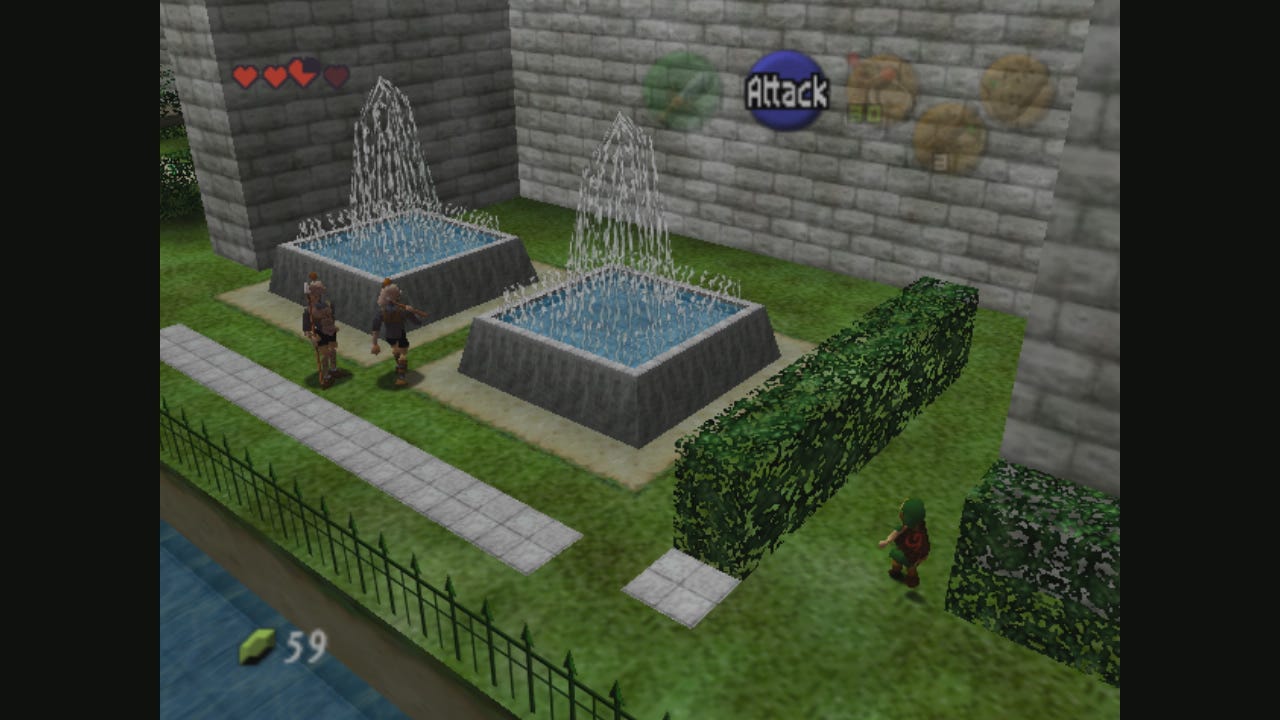
The fixed cameras of Castle Town and building interiors have gone the way of the Dodo. Now with a free camera, it gives a whole new sense of immersion, again making it feel new even though very little has changed. It’s quite impressive how just a change in perspective can alter the entire way the world is interacted with.
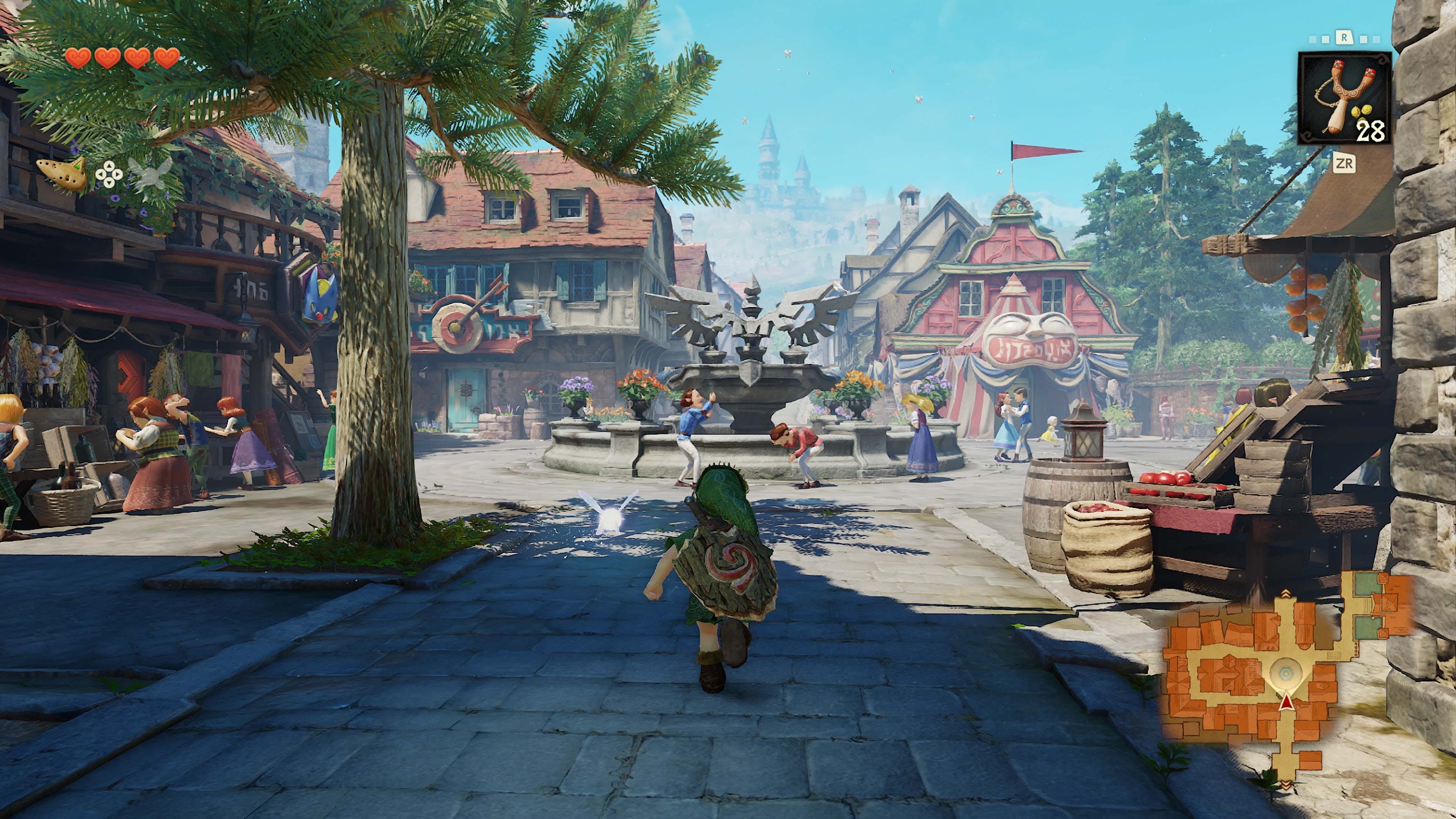
(LIGHT SPOILER) One part I was most curious about was how sneaking into Hyrule Castle would be handled, given that every other area of the game that had a fixed camera was now free. The Switch 2 version is a delightful reimagining; it feels more realistic. It gives the castle scale and a better idea of place. It innovates in all the right places; one complaint would be that it’s still fairly easy to sneak past these “highly trained” guards. Then again, it wasn’t so difficult in the original game either.
Outside the visual upgrade, the full voice acting for cutscenes is another significant addition.
Full voice acting for cutscenes is still fairly new to the series, first appearing globally in a mainline game in 2017’s The Legend of Zelda: Breath of the Wild. The actors all do a fine job, given that they have almost 30 years of fan imagination to live up to; they were never going to please everyone.
Leap of faith
A somewhat unexpected learning curve comes from the addition of a Jump Button. (Before, Link would jump automatically when reaching the edge of something.)
Even with the graphical overhaul and changes to the environment, I still found myself running off ledges expecting the auto jump to kick in, only to fall straight down. That said, it isn’t so difficult to adapt, relearn and remember to press the jump button.
The addition of the jump button to 3D Zelda was something I found hard to get my head around (being so used to auto jump) until I actually tried it in Breath of the Wild on its launch day back in 2017. This is something I soon got used to, as jumping and climbing over things is a big part of those games.
Some of the Switch-era mechanics make their way into the game. For instance, Link can now jump up ladders, though the game doesn’t have a stamina wheel, and Link can’t climb any surface. This was a good choice, as I think something like that would have been a bridge too far and stretch it too much from the original.
The item inventory has also changed, which may at first seem like a downgrade; only one item is selected at once, but it actually works quite efficiently. Besides, you can only use one item at a time anyway, so having them on separate buttons is really superfluous.
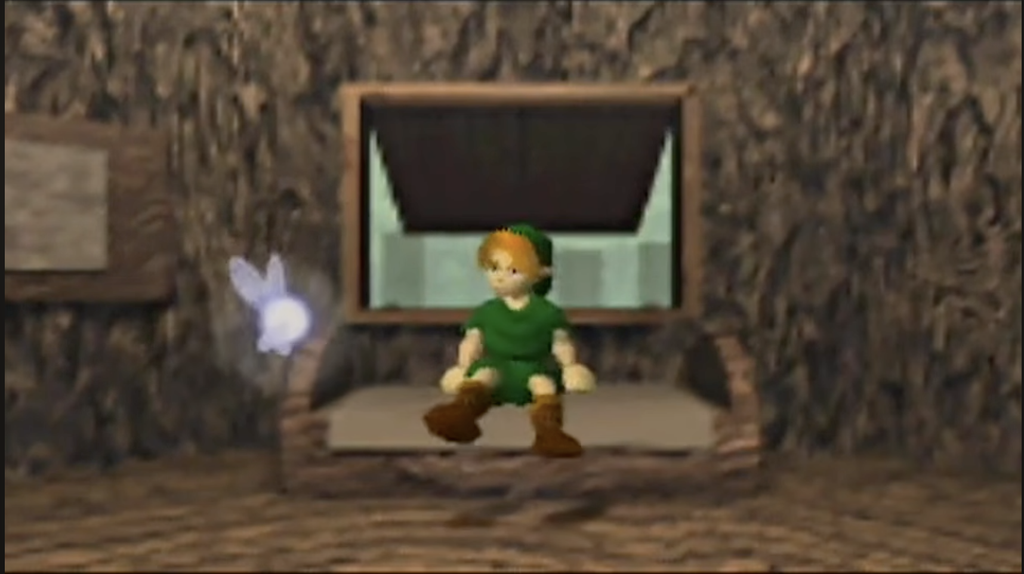
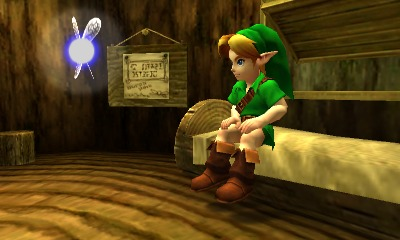
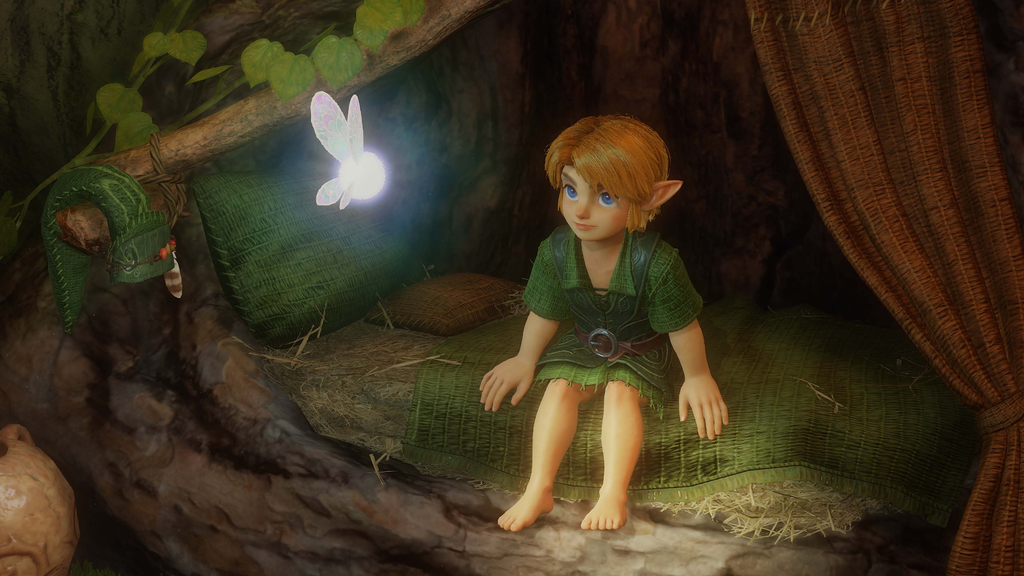
Visual Perspective
This is a great showcase for the power of the Switch 2. The game looks fantastic in motion and dispels most of, if not all, graphical concerns. It also performs very well.
The cries of Ai and “Nintendo hire this man” comments really show a lack of critical and artistic comprehension. The visuals are more nuanced and have a clear and fully realised vision. (Something Ai could only very poorly attempt to replicate)
Not to demean the work fans have done in recreating Zelda in Unreal Engine, other fan games,some of these works are quite impressive and have their own value. However, when compared to official efforts at a “realistic Zelda”, the Unique style stands out, and the Unreal Engine comparison holds little water.
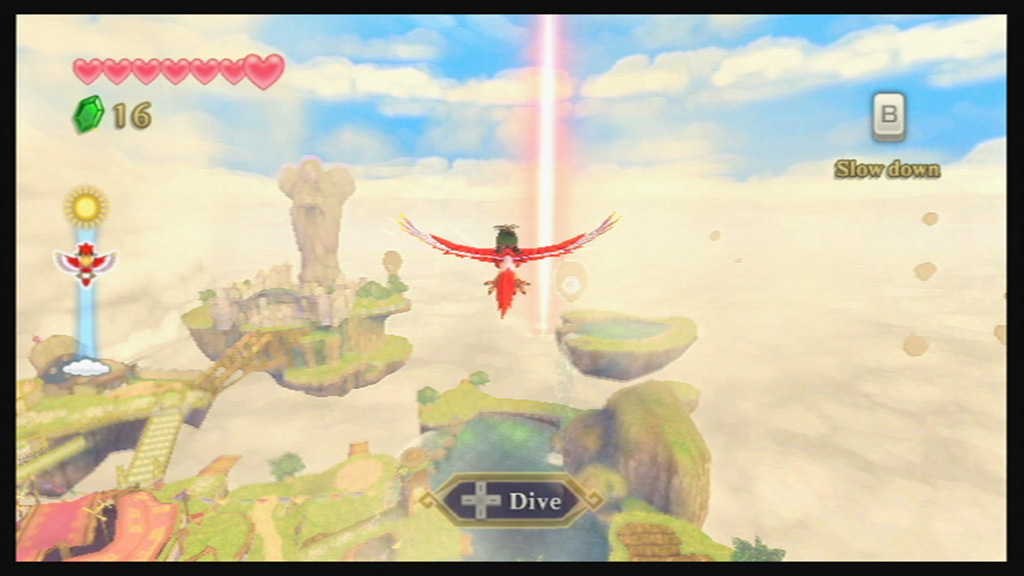
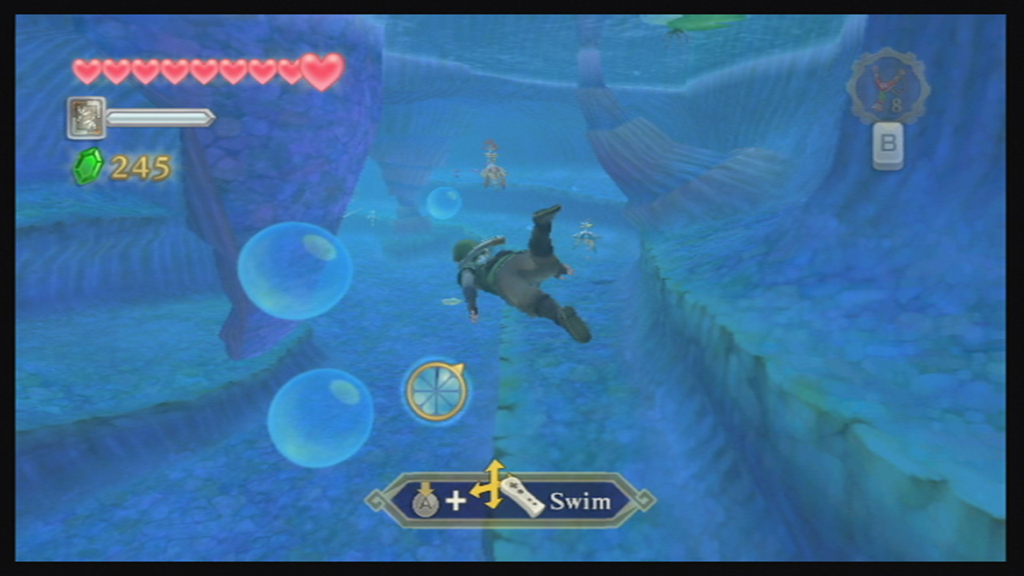
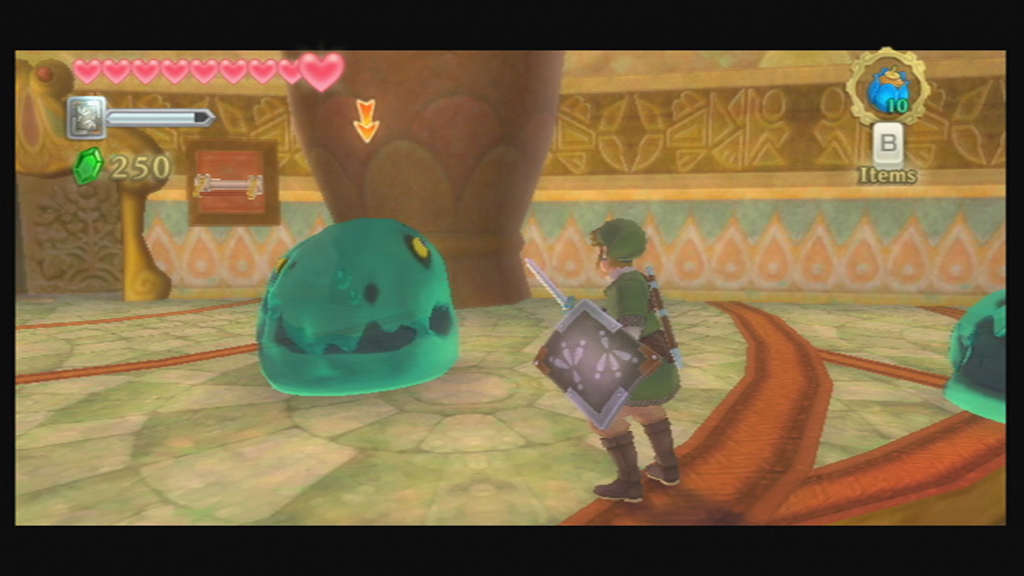
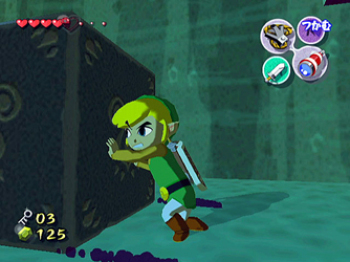
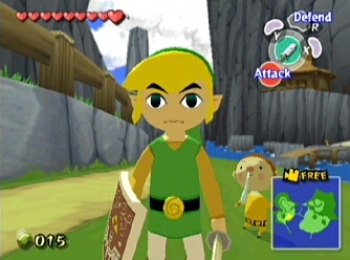
Many have already commented that the art style shares similarity with detailed high-fantasy art and marionette puppets. Whether these were direct influences or not doesn’t affect how the game feels or plays. Zelda games have wildly different art directions, taking influences from many different sources, such as Skyward Sword, had a painterly, expressionistic look, and Wind Waker a cartoon-like cel-shaded style. I think also the different art styles of the Zelda games are part of their appeal.
Characters the thing
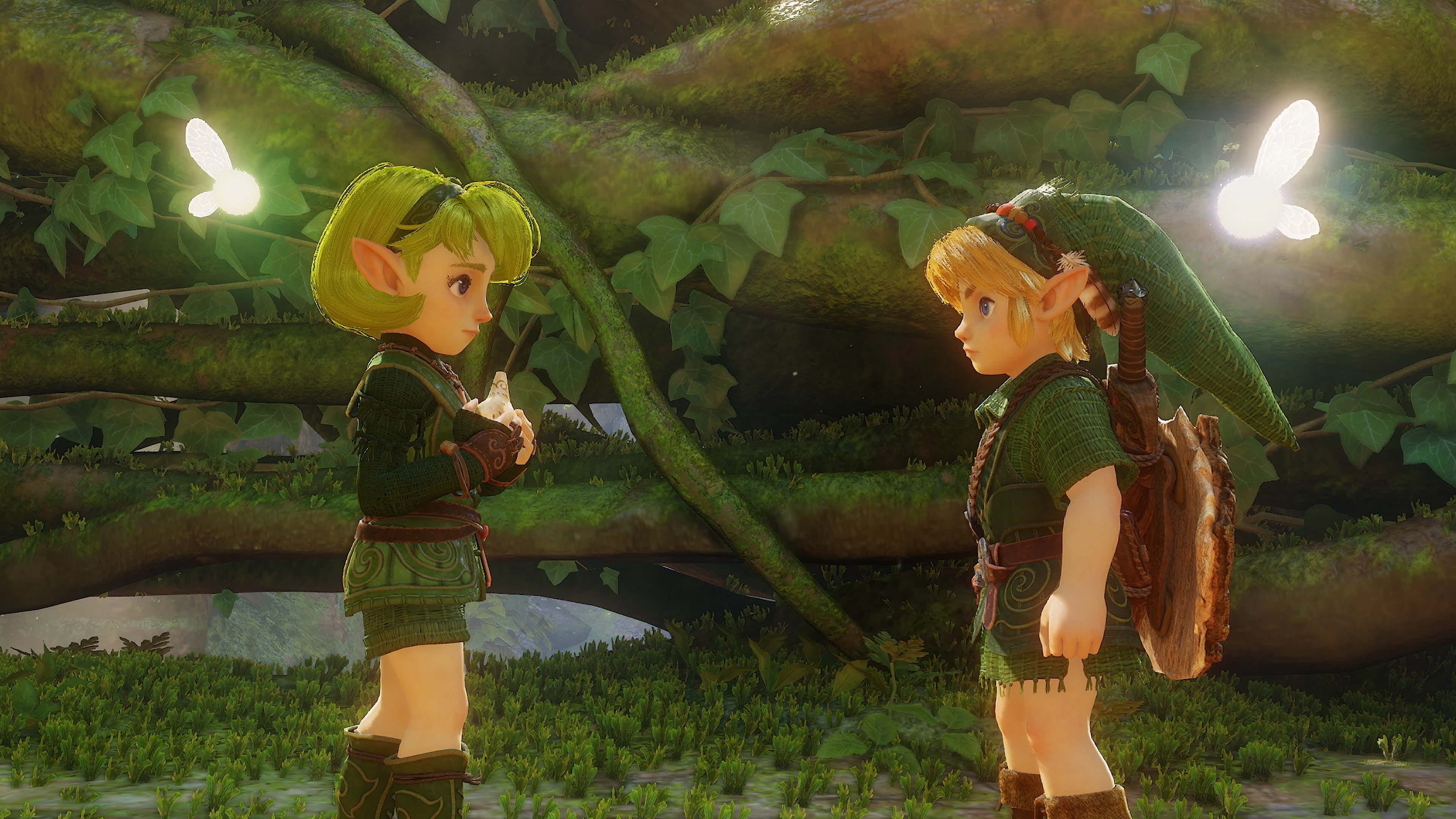
The original and even the 3DS version of the game had an excellent, tried-and-tested story. However, its characters’ deadpan reactions to the wildest events created a bit of a disconnect. Now, some of this was due to the tech at the time, giving the player more of a blank canvas to impress upon, but this new Link reacts and expresses more emotions, even if sometimes subtly. This really helps to drive home some of the story’s emotional core.
This expansion of expression isn’t just limited to the main cast; even minor NPC characters pack a lot of personality, with animations and expressions. These little interactions go a long way to make the world more engaging, such as some characters bending down to speak to young Link or how they physically react when he wears a mask, not just in the dialogue.
Walking Distance
Going back to the idea of taking things slowly, at this time I haven’t yet explored much of Hyrule Field or visited Lon Lon Ranch. It’s somewhat difficult to remember an exact reaction to seeing the N64 Hyrule Field for the first time, but I think it was more so the call to adventure that excited me, and the possibilities ahead.
The Switch 2 version evokes similar emotions. Now with its grander scale, it really scratches that Tolkien itch; seeing the mountains off in the distance, though not reachable, invokes a world of adventure outside of Hyrule.
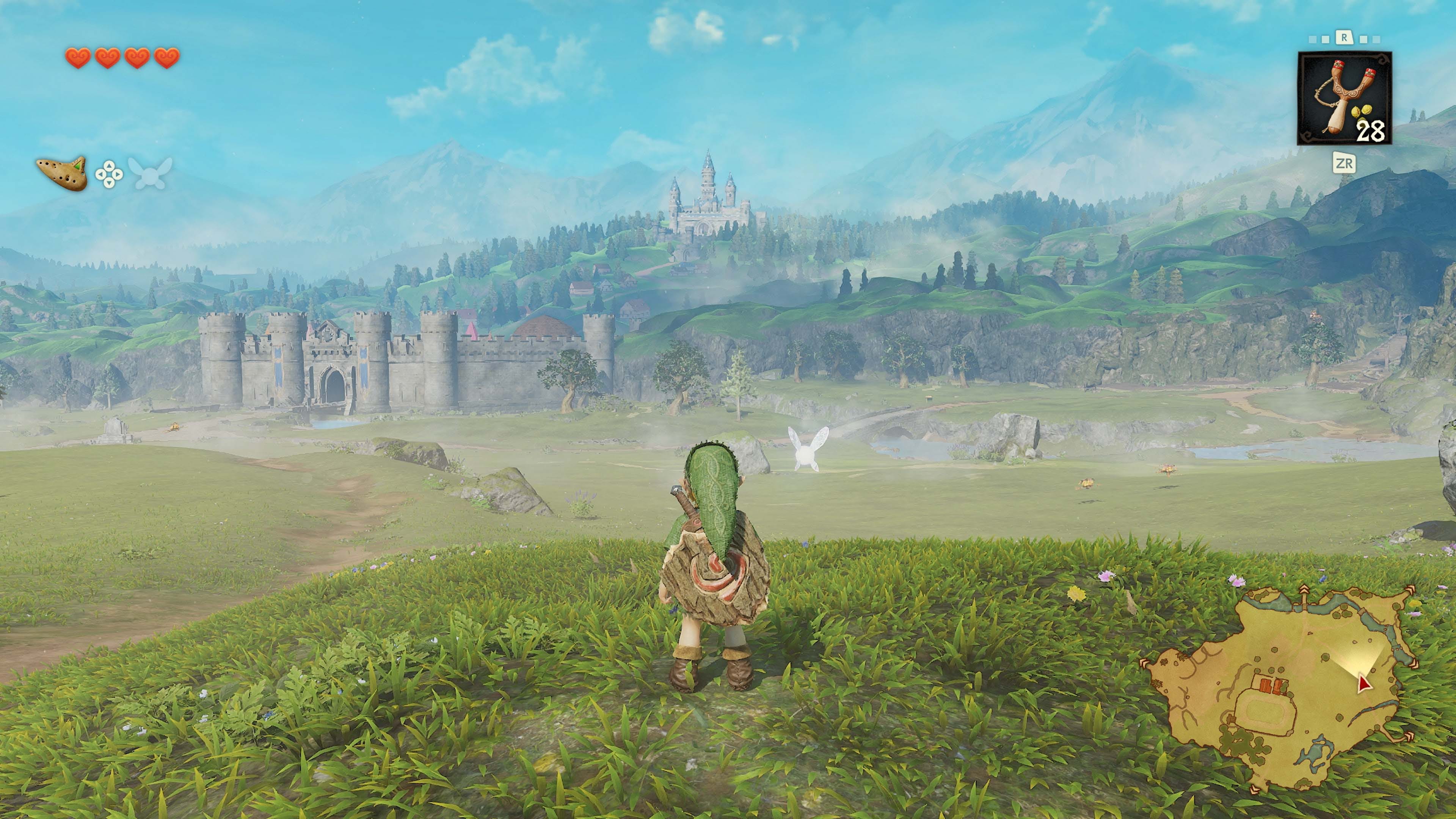
The distance between locations (Hyrule Castle and Kakariko Village) has also been slightly revised. This is a very welcome change, and goes a long way to help the world feel less “video-gamey” and more lived in.
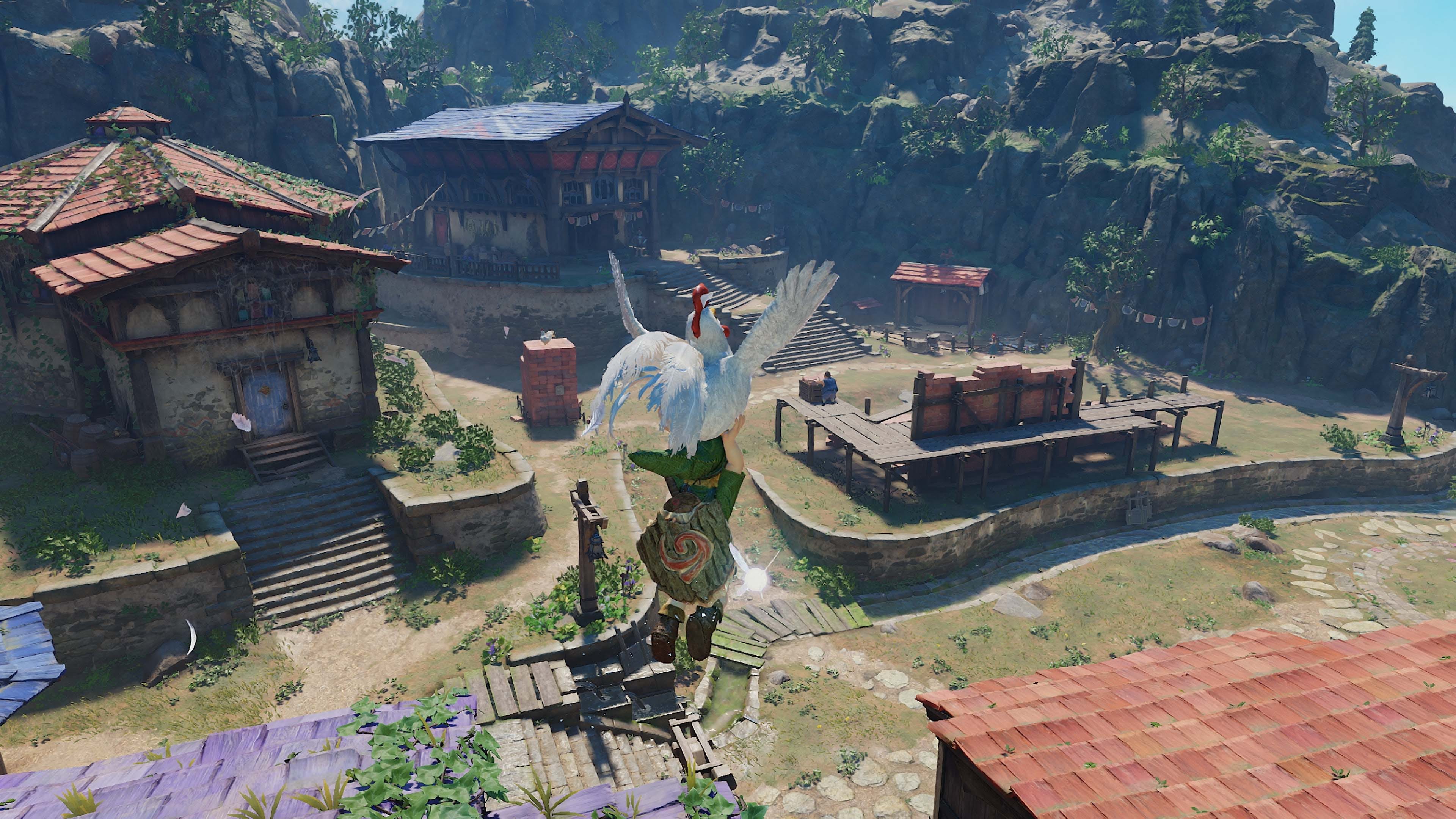
The added detail goes a long way to improve Hyrule Field and makes it feel far less empty; the encounter rate of Peahats also seems up, so even if there isn’t anything “new” (maybe there is, I don’t know yet), these two elements alone make the space feel more alive.
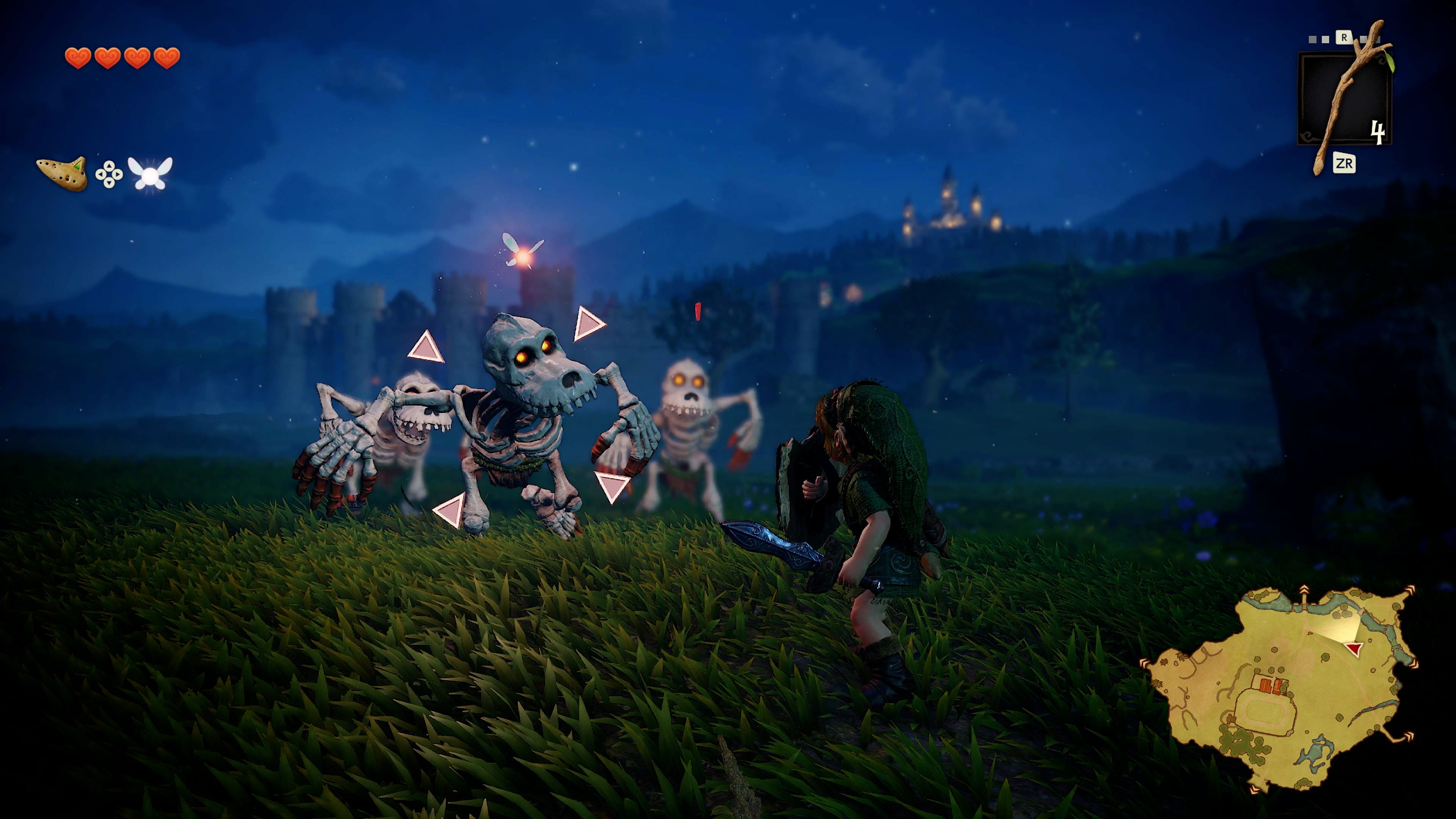
(LIGHT SPOILER) Stalchildren still appear at night; however, at least on this occasion, when playing, the castle drawbridge didn’t close. Was this done to make it easier to enter Castle Town at night? More of a nitpick, really, but it did strike me as an odd change.
Link to the Future
Even though this game is just out, you can’t help but wonder what direction the next mainline Zelda will go in; will it go back to a more traditional key-and-dungeon progression or stick to the open-world gameplay of the Switch games? A seemingly popular option among fans is to have the best of both worlds: traditional dungeons/temples in an open world.
Nintendo, with all these new assets, might suggest they’ll use them for another game. One obvious suggestion could be a Majora’s Mask remake, though given the mixed reception of the 3DS version, this is something where Nintendo might want to tread lightly.
Conclusion
The Legend of Zelda: Ocarina of Time has been ported several times (NGC, VC WII/WIIU, i-Que, Switch Online) and has now been remade twice (3DS, Switch 2). Ocarina is often held as one of the greatest games of all time. This version has once again proven its worthiness of such a title. The Switch 2 reimagining of the game is a fantastic refresh for new and old fans alike. Will this be the last “time” Ocarina is remade? Who knows?
They’ve been fortunate so far, with each new reimagining bringing something new to the table. The 3DS version brought portability and a 3D effect; the Switch 2 version again brings portability, 4K, hyper-detailed graphics, slight rearrangements, and new gameplay mechanics.
As tech continues to advance, perhaps there will still be new and interesting ways to play this game before it falls into a Marge Simpson mangled Chanel suit territory.
This release doesn’t disqualify or lessen the previous two; if anything, it heightens them. I suspect many first-time players will likely want to go back and experience the original after finishing this one.
The unique 3D aspect of the 3DS version will still stand out as a very distinctive way to experience the game. This release just further cements the game’s legacy.
Playing the game is like revisiting old friends (who’ve had plastic surgery, kidding); this is a fantastic game and one of several crown jewels in the already-studded Switch 2 library.