Introduction and overview
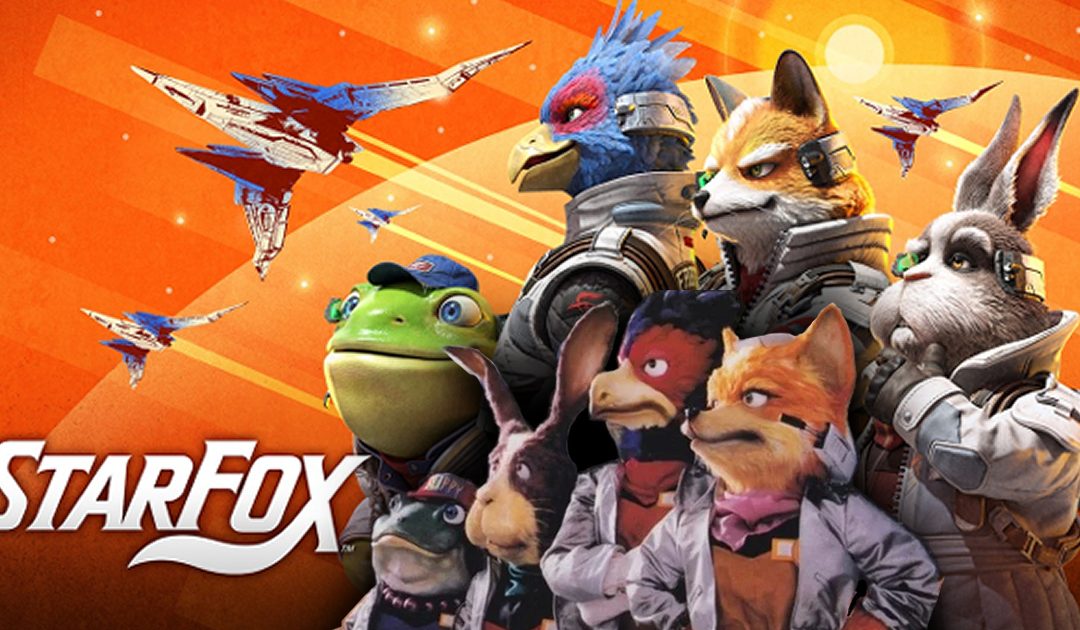
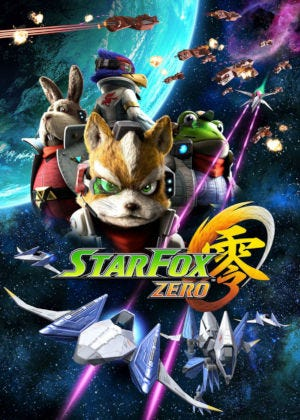
The graphical style of the new StarFox game for the Nintendo Switch 2 has seemingly divided fans, with some not clicking with the new designs. For some, the hyper-realistic look of anthropomorphic animal characters is nearing the edge of the uncanny valley, while others are fully on board with the new visuals. However, the general consensus outside of the characters themselves is that the game is graphically impressive and a real showpiece for the Switch 2.
The StarFox series, while beloved by fans, much like F-Zero, doesn’t get as much attention outside of the Super Smash Bros and previous titles appearing on Nintendo Switch Online. StarFox Zero (Wii U, 2016) received mixed to negative reviews from critics and fans alike, sending the series into a hiatus except for StarFox 2, the then-unreleased SNES game, which was included in the Super Nintendo Classic mini (2017).

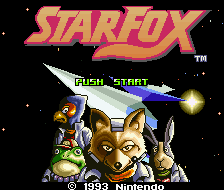
The series started on the Super Nintendo in 1993. Shigeru Miyamoto took inspiration for the series from action puppet shows like Thunderbirds (a show where a rescue team pilots a variety of rockets, rocket-like vehicles, and submarines). Puppets of the StarFox characters were used for promotional material and the game’s box art and manual. StarFox 64 continued the puppet homage, with in-game characters using basic lip-synching of opening and closing their mouths similar to a marionette puppet. The new graphics of StarFox (Switch 2) have full lip-syncing, but the characters themselves are extremely reminiscent of the puppets used on the box art and promotional material for StarFox (SNES, 1993).

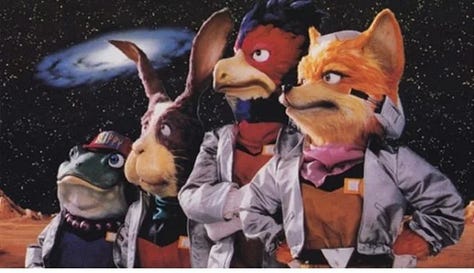
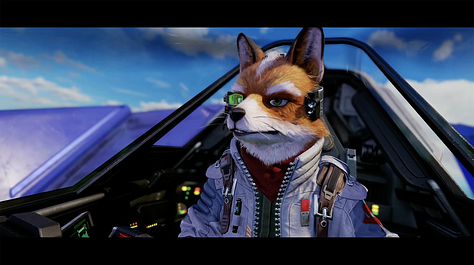
A possible reason people may be having such strong reactions to these new character designs is that Nintendo often uses stylised visuals in their games, be it cel-shaded, anime, or cartoony. So this kind of art style has become sort of expected, so it’s a surprise when they try something a little more photo-realistic. Even games like Twilight Princess (2006) that are considered to have “realistic” graphics still have stylised environments and anime-esque character designs. Mario Odyssey (2017) managed to mix more photorealistic environments with abstract characters, thanks to a comprehensive art direction. Even other sci-fi games like the recent Metroid Prime 4 (2025) use realistic abstract alien environments and a vivid colour palette.
Perception of graphics 2000
This debate around the graphics of StarFox reminded me of the discourse of the 2000 Space World Zelda reveal, only this time it’s an inverse of itself.
When the GameCube was first introduced, Nintendo showed off a sizzle reel of some potential and upcoming games, including a tech demo for The Legend of Zelda. This featured Link and Ganondorf from Ocarina of Time (1998) facing off. Until this point, this was the most graphically realistic-looking Link. So many were taken by surprise when Wind Waker (2002) was later introduced as the next Zelda game with its cel-shaded cartoon graphics.
Many fans were expecting the darker, realistic Link from the Space World 2000 demo, and were surprised, questioning the cartoony cel-shaded style. What had happened to the badass, realistic Zelda they’d been promised?
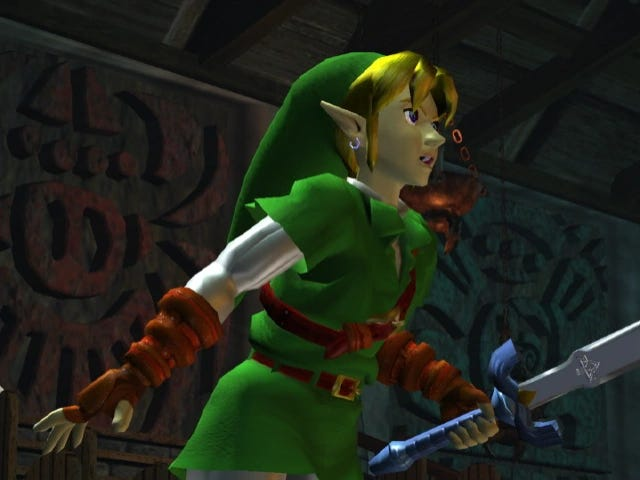
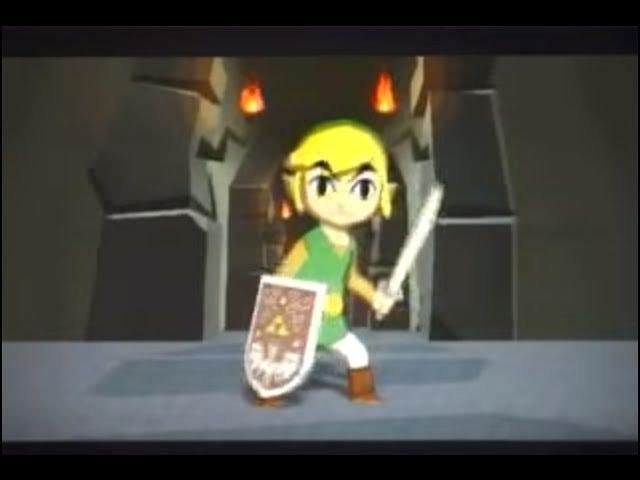
The Space World 2000 confusion was largely down to a lack of communication on Nintendo’s part; the tech demo was never truly a game, just a demonstration of what the GameCube could do. Nintendo learned its lesson with subsequent tech demos and concepts being clearly stated as such, for example, the Zelda Wii U tech demo (2011).
The StarFox series, much like Zelda, has had different graphical styles for each of its games, but is primarily associated with more abstract, more cartoony proportioned characters; so the more anatomically correct characters and photo-realistic graphics were not as expected. In the same way, a cartoon cel-shaded Link wasn’t. A valid argument for the new character designs could be that Zelda’s art style basically changes with each game, so why can’t the same be for Star Fox?

This said, StarFox was a series that always pushed graphics and hardware. It was the premier game for the FX chip on the SNES, which made basic 3D games possible on the 16-bit SNES, and then StarFox 64 (1997) was the poster boy for the N64 rumble pak.
Foxy Style
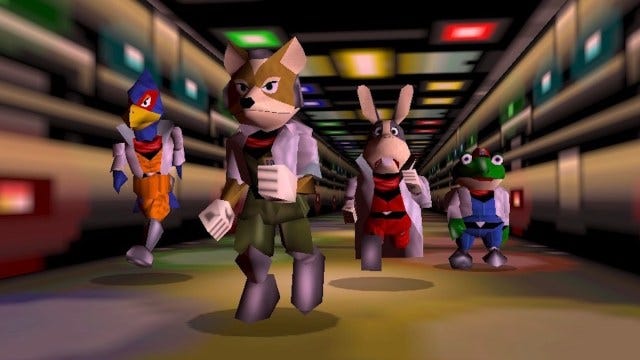
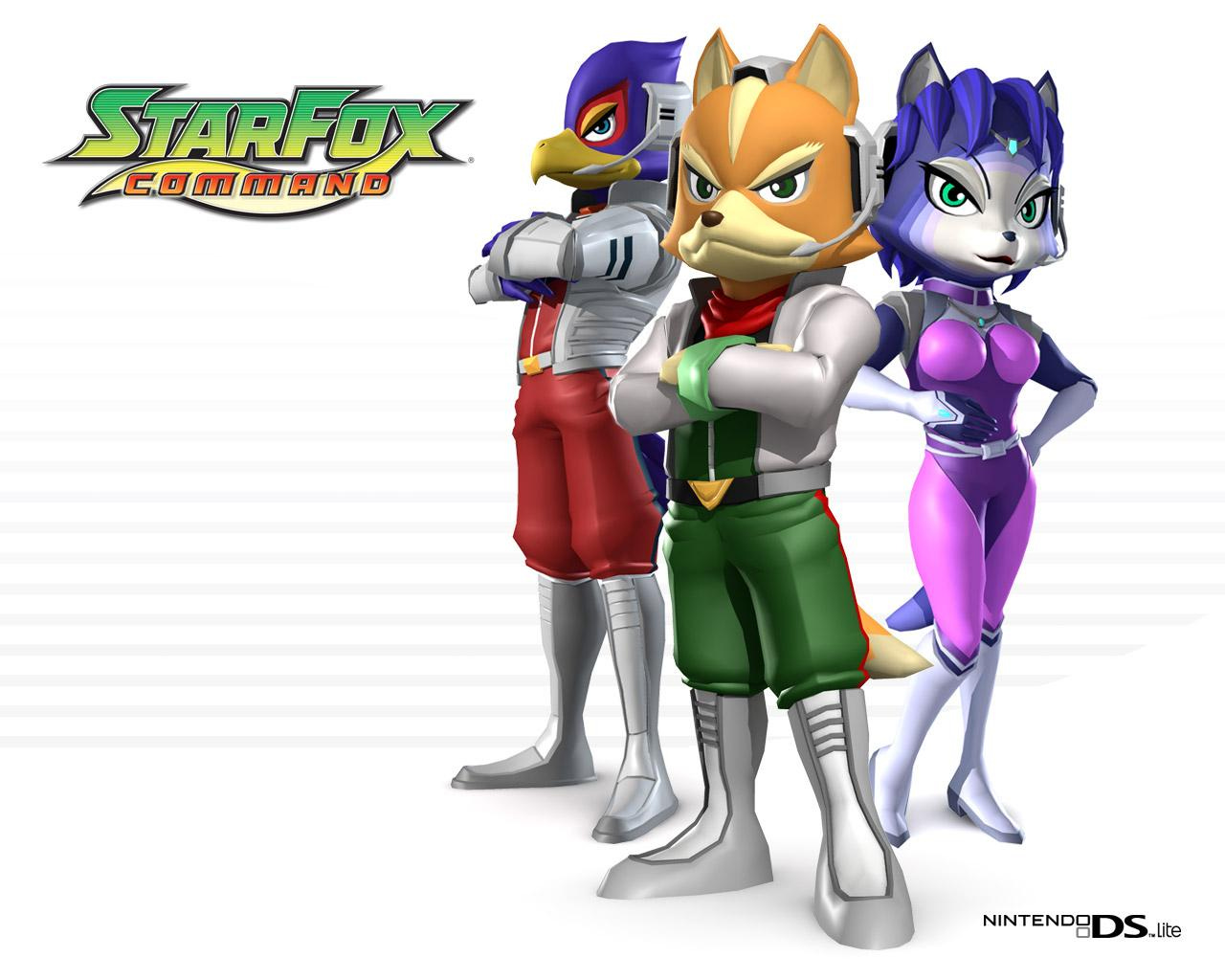
The pixel character portraits of StarFox (SNES) were fairly basic and were improved on in StarFox 2 with more detailed pixel art and animation. The blocky polygon N64 graphics were less expressive than StarFox 2, and have aged poorly compared to the pixel art, but have their own charm, thanks in part to the excellent voice acting. StarFox Command (DS, 2006) went for a smooth toy-like look, but also included a more hand-drawn look for the game’s multiple endings. The two GameCube games, StarFox Adventure and StarFox Assault, share a similar design, with “realistic” graphics, such as Fox’s textured fur.
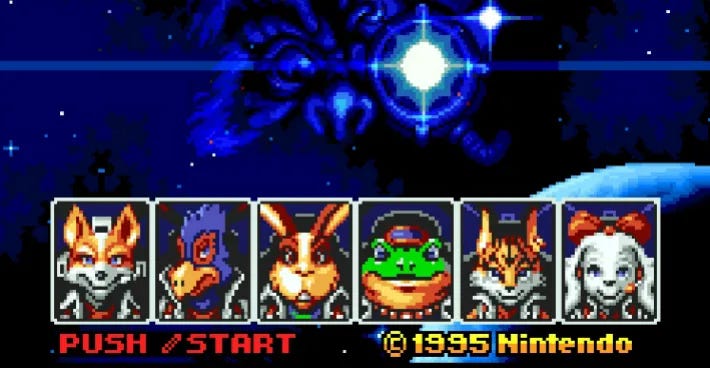
Generally, the characters have been depicted as humanoid animals having more human-like qualities than animals, with the exception of their heads and tails. Fox’s and Falco’s appearance in the Super Smash Bros games has also cemented how these characters look. The Switch 2 look goes for a more true-to-life animal look, as in what a human-sized fox might look like if they walked on two legs. While the characters are still recognisable, this is, without question, the most significant redesign they have ever seen.
Art styles to suit an audience
Fox McCloud makes a cameo in the Mario Galaxy movie (2026) in another art style, but considering that it was for a movie, they had to have the same look out of necessity to match the film’s style. Films and video games, while sharing some creative crossover, are two entirely different art forms. The elastic and expressive Galaxy movie version of Fox might not translate practically to being in a video game.
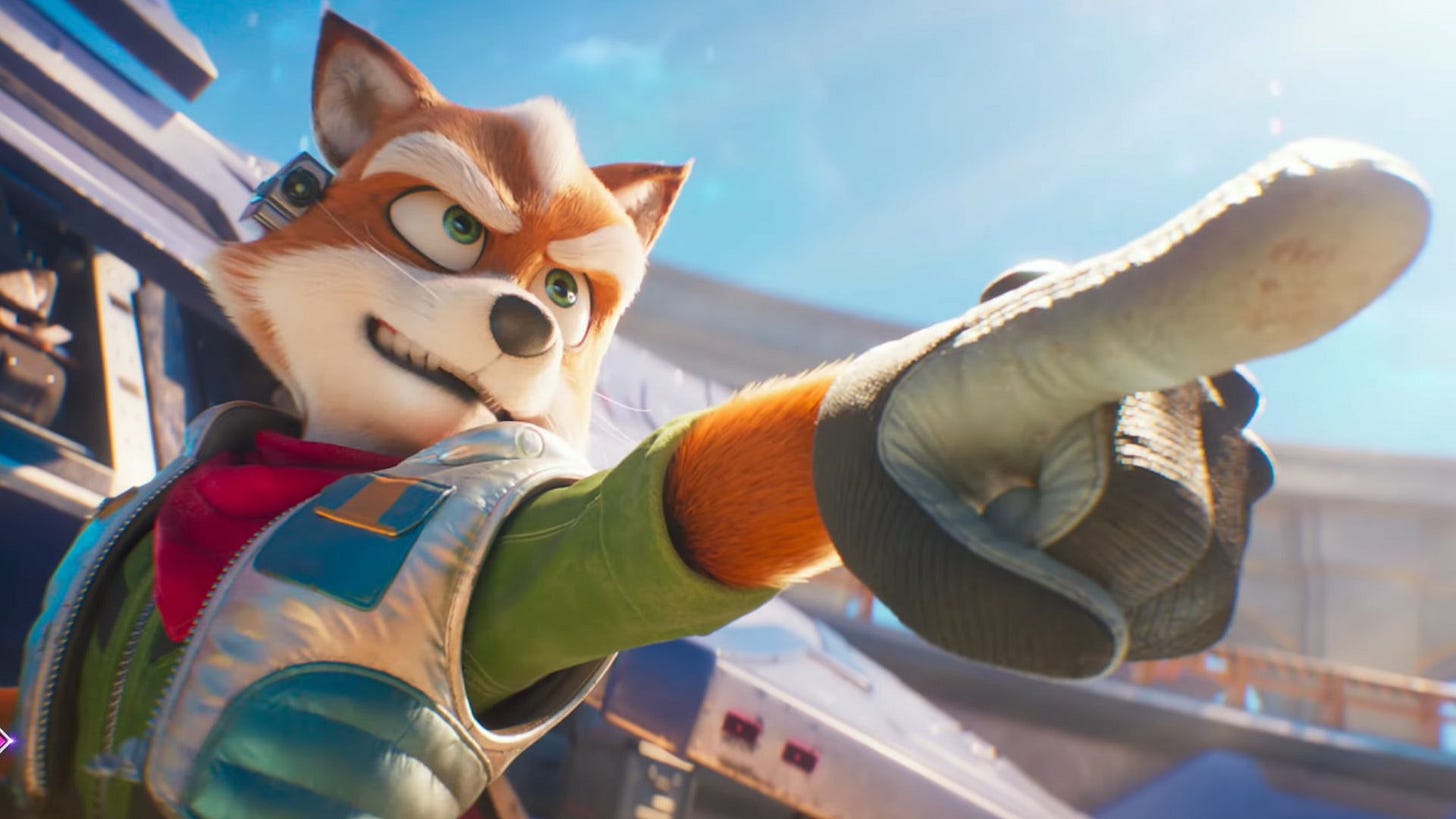
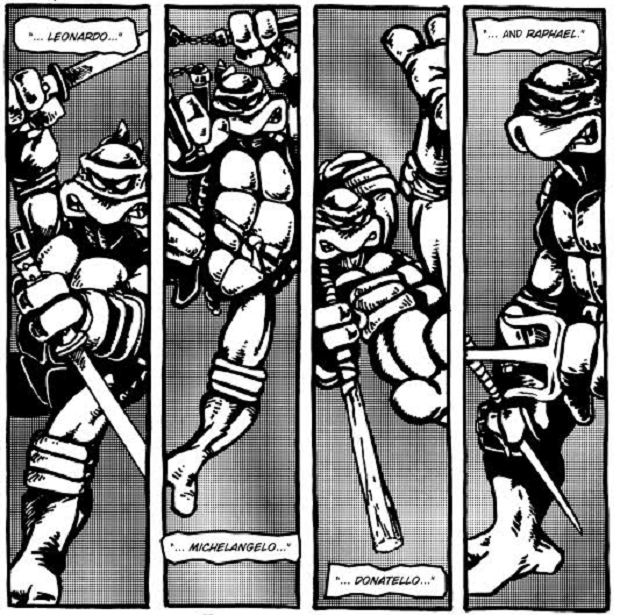
A bit of a side note, but the different art styles of Fox, particularly his Galaxy movie, and Switch 2 designs could be compared to the Teenage Mutant Ninja Turtles series. A series that has gone through many different art styles since its debut in 1984, as an indie comic with a dark and cool rough graphic novel style, to the more refined kid-friendly 90s cartoon appearance (this would be the galaxy fox in my analogy). When it came to doing the turtles on the big screen in 1990, they went for a more realistic and darker look, more in line with the original comics. StarFox on Switch 2, with its realistic graphics, is the “big kids” version of StarFox.
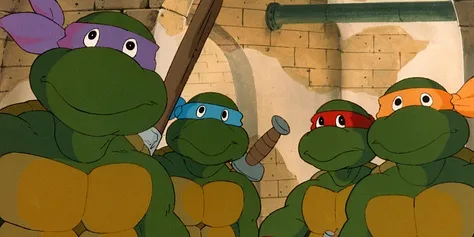
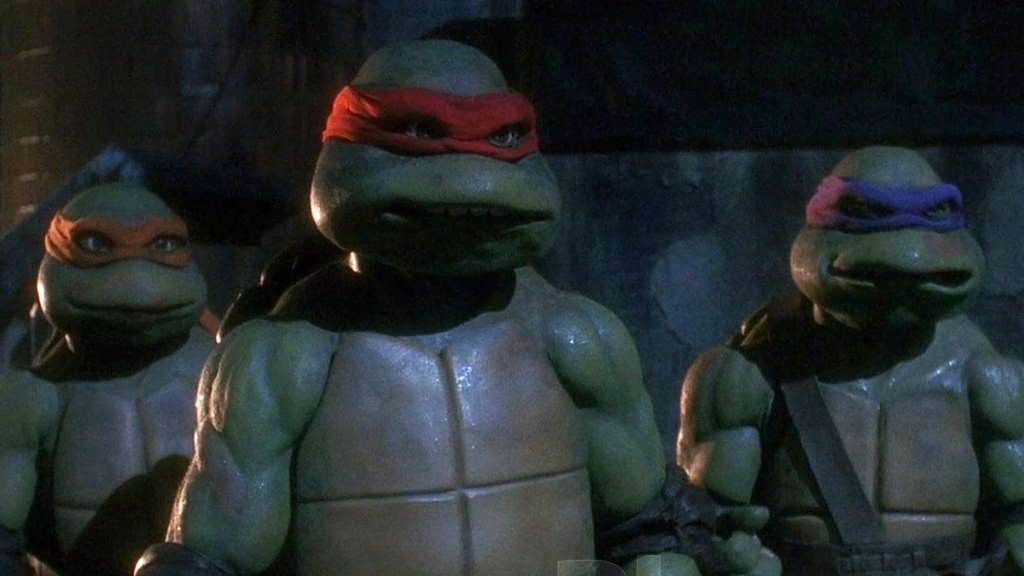
At the end of the day, the whole thing becomes sort of a moot point, considering Fox and CO are in their ships during gameplay, so they aren’t even seen. (Though the designs will feature new cut scenes between levels.)

A remake of a remake?
So, StarFox on Switch 2 will be a remake of StarFox 64. (If it goes any further than the new graphics and a few added features remain to be seen.) Fans and critics have largely overexaggerated just how many times 64 has been remade. (This is only the third time Nintendo has released an N64 incarnation of StarFox.)
While the original StarFox (SNES) shares a similar narrative and basic gameplay, the 64 is vastly different, introducing several new types of gameplay. StarFox 2 refined the visuals and added a real-time strategy element.
The two GameCube games StarFox Adventure (2002) and StarFox Assault (2005) are entirely different, including on-foot missions; and in Adventure’s case plays more like Zelda than StarFox, so it doesn’t really count.
StarFox Zero, while set in the same universe with a similar story to 64, the actual gameplay bears very little comparison to StarFox 64. Zero gameplay focuses on a somewhat complex motion control setup, which uses the Wii U’s game pad for aiming, while the Airwing was primarily controlled on the TV screen, requiring players to split their attention between aiming and flying on two different screens.
StarFox 64 3D (2011) until now was the only true “remake”. It’s the same game as the N64 original, but with a graphical overhaul as well as an added 3D effect. The 3DS version also added a 3DS MODE in addition to the original, which makes changes to the gameplay by adding gyro flight controls and the ability to continue.
Conclusion
The full scope of the Switch 2 version has yet to be seen. We know there will be at least three difficulty options and a new challenge mode for each stage. Whether or not there are any original courses created for this version remains to be seen. While discussion of the actual design of the characters might continue, it can’t be denied that StarFox on Switch 2 is a graphical showcase for the system. The current expectation among critics is that if this game sells well enough, there might be a new original game in the series. Could then Nintendo perhaps do the same for other wayward series like F-Zero?
